


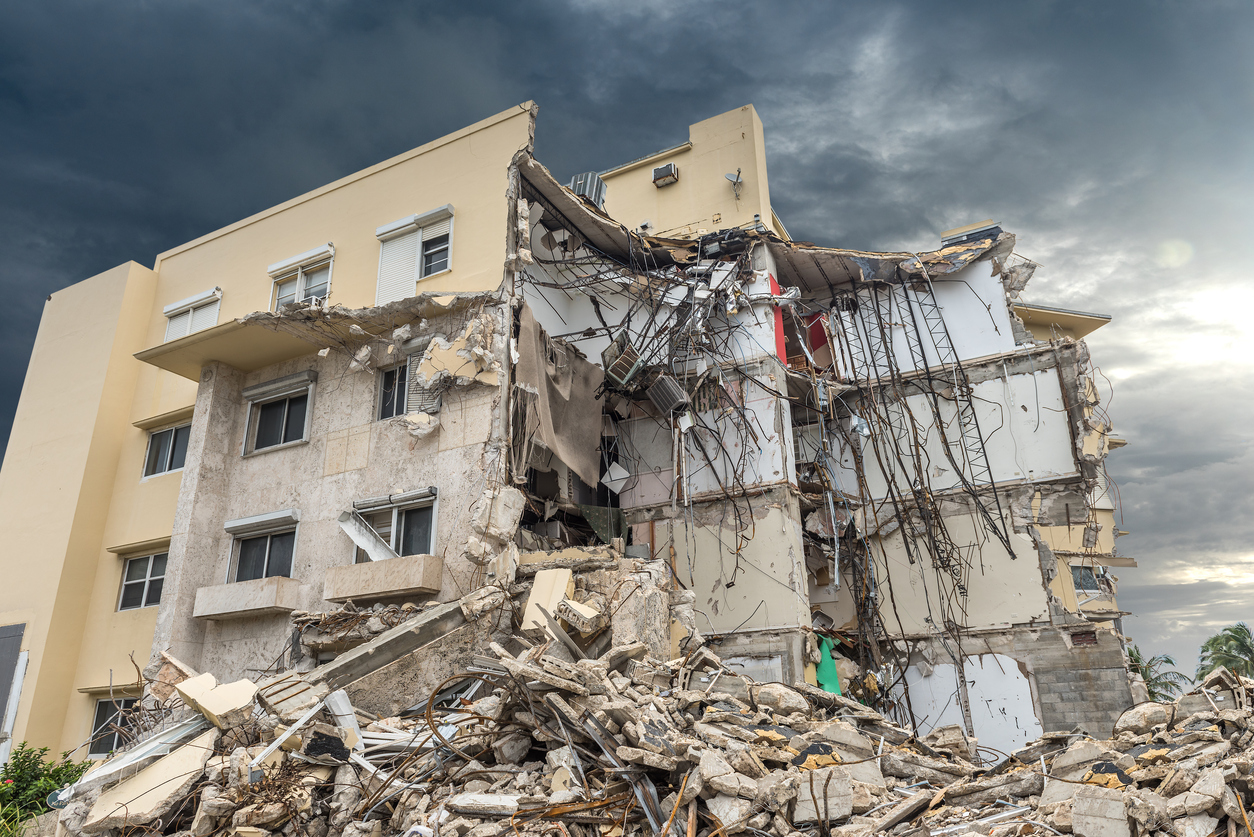
The difference between professional construction and DIY disasters isn’t always apparent until something goes wrong. From the outside, a deck built by a weekend warrior might be identical to one built by a licensed contractor. Both have the same basic components– posts, beams, joist, and deck. But when the first heavy snow load hits or when high winds do a little testing of the connections, the differences expose themselves and the result is usually catastrophic.
Professional construction is more than just using the correct tools, or having years of experience, although they are both of primary importance. The real difference lies in the understanding of how materials react under stress, in knowing which shortcuts and practices might be acceptable and which would be disastrous, and in being aware that every part of a structure has a function to perform. When professionals take shortcuts, they know what is being sacrificed. When amateurs do, they are often unaware of the fact that they are gambling with their structural life.
The Material Knowledge Gap
Professional contractors understand that not all materials with the same basic description perform equally. A two-by-four isn’t just a two-by-four – the grade, moisture content, and species all affect how it behaves under load. The same principle applies to every component in a building, from foundation concrete to roofing materials.
This knowledge extends to fasteners in ways that surprise most homeowners. The difference between using standard bolts and proper structural fasteners can mean the difference between connections that hold for decades and ones that fail under normal loads. Professional builders know when standard hardware works and when projects demand industrial-grade solutions.
The fastener selection process reveals this knowledge gap clearly. A DIY builder might grab whatever bolts look sturdy at the local hardware store, focusing mainly on size and maybe thread type. Professional contractors consider load requirements, environmental conditions, material compatibility, and long-term performance. They understand that Hex Head Bolts in different grades serve different purposes, and matching the fastener to the application prevents problems that won’t show up until years later.
Planning vs. Problem Solving
Professional construction projects start with detailed planning that accounts for things DIY builders often discover halfway through their projects. Load calculations, material quantities, tool requirements, and construction sequences all get worked out before the first piece of lumber gets cut. This planning prevents the cascade of problems that turn simple projects into expensive nightmares.
Amateur builders often work in reactive mode, solving problems as they encounter them. This approach works fine for simple projects, but complex construction involves too many interdependent systems for improvisation to succeed consistently. When structural elements depend on precise alignment and proper connections, trial-and-error methods lead to compounding mistakes that are expensive and sometimes dangerous to fix.
The planning difference shows up clearly in material procurement. Professionals order everything they need before starting work, including backup materials for the inevitable waste and mistakes. They also order the right materials – not just materials that seem close enough. Amateur builders often make multiple trips to the store, substituting materials along the way and hoping equivalent components will work the same way.
Code Knowledge and Safety Standards
Building codes exist because people figured out what goes wrong when structures aren’t built properly. Professional contractors know these codes not as arbitrary restrictions but as lessons learned from failures, injuries, and deaths that happened when buildings weren’t constructed safely.
The code knowledge gap creates dangerous situations that aren’t obvious to untrained builders. Electrical spacing requirements, structural member sizing, foundation depth specifications, and ventilation requirements all serve specific safety purposes. When amateur builders ignore or don’t know these requirements, they create hazards that might not become apparent for years.
Professional contractors also understand that codes represent minimum standards, not optimal construction. In many situations, they build beyond code requirements because experience has shown where the minimum standards aren’t sufficient for long-term reliability.
Tool Proficiency and Efficiency
Professional contractors use tools differently than weekend warriors. They understand how different tools affect material behavior and final quality. More importantly, they know when the right tool is essential and when a substitute will work adequately.
This shows up clearly in fastening operations. Professional builders understand how torque specifications affect joint integrity, why impact drivers work differently than drill/drivers, and when hand-tightening produces better results than power tools. They also recognize when specialized tools prevent problems that generic alternatives can’t address.
The efficiency that comes from tool proficiency affects more than just project speed. When professionals work faster, they often produce higher quality results because they’re not fighting their tools or compensating for equipment limitations. This efficiency also means projects stay on schedule and budget, preventing the cost overruns that plague many amateur construction attempts.
Understanding Structural Systems
Professional builders think in terms of systems rather than individual components. They understand how foundation problems affect framing, how roofing decisions impact ventilation, and how electrical work interfaces with plumbing and HVAC systems. This system’s thinking prevents conflicts that create expensive problems during construction.
Amateur builders often focus on one component at a time without considering how their decisions affect other parts of the project. This narrow focus leads to situations where fixing one problem creates two new ones, or where components that work individually fail when integrated into larger systems.
The system’s perspective also affects material selection and construction techniques. Professional contractors choose methods that work well with subsequent construction phases, while amateur builders often create situations that make later work more difficult or expensive.
Quality Control and Problem Recognition
Professional construction includes systematic quality control that catches problems before they become disasters. Experienced contractors know what to check, when to check it, and what constitutes acceptable versus problematic conditions. They also know which problems must be fixed immediately and which can be addressed later without affecting structural integrity.
Amateur builders often lack the experience to recognize problems until they become obvious. By then, fixing the issues usually requires undoing completed work and starting over – the kind of setback that turns weekend projects into month-long ordeals.
Professional contractors also understand that some problems are normal and expected, while others indicate fundamental issues with materials, techniques, or planning. This knowledge helps them make appropriate corrections without panic or expensive overreactions.
The Long-Term Perspective
Professional construction considers how buildings will perform over decades, not just how they look when completed. Material choices, construction techniques, and system designs all account for normal wear, environmental exposure, and the reality that buildings need maintenance throughout their service lives.
Amateur builders often focus on immediate functionality and appearance without considering long-term performance. This short-term thinking leads to material choices and construction methods that create maintenance problems, premature failures, and safety hazards down the road.
The difference between professional and amateur construction ultimately comes down to knowledge, planning, and understanding that buildings are complex systems where every component matters. Professional contractors invest in proper materials, use appropriate techniques, and build with the understanding that their work needs to perform safely for decades. When amateurs try to shortcut this process, the results range from expensive repairs to dangerous failures that put occupants at risk.
