


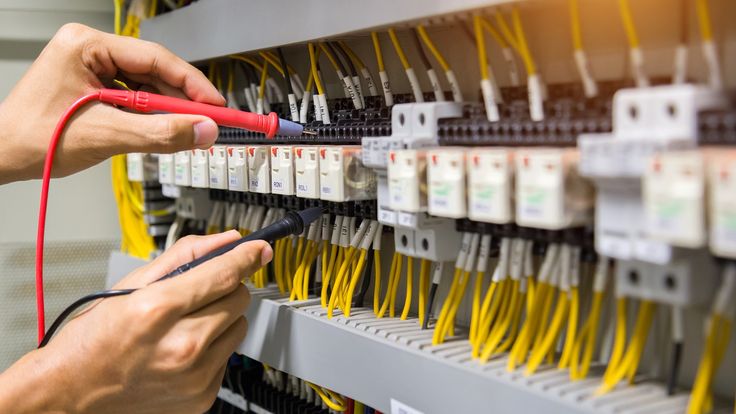
Home electrical systems often function as the invisible infrastructure of daily life. For many homeowners, the electrical panel, wiring, and outlets are components that remain largely out of sight and out of mind until something stops working correctly. However, these systems evolve over time, mirroring the changing energy needs of a household. As modern homes integrate more technology and high-demand appliances, the capacity of an original electrical system may be tested in ways that were not anticipated when the home was constructed. Understanding how these systems progress and when to engage a residential electrician in Bend can help homeowners maintain a safe and reliable environment.
The Initial Stage: Understanding Your Home’s Electrical Capacity
Every home begins its life with a planned electrical capacity, designed to handle a typical load for its era. In the early stages of homeownership, most systems perform adequately for basic lighting, kitchen appliances, and climate control. However, as residents introduce more devices—such as specialized entertainment systems, home office equipment, or electric vehicle charging hardware—the demand on the existing infrastructure changes.
When homeowners notice symptoms like flickering lights, frequently tripped breakers, or outlets that feel warm to the touch, these are often indicators that the system is reaching its design limit. A residential electrician in Bend can perform a comprehensive evaluation to determine if the existing panel has the necessary amperage to support modern living standards. This early assessment phase is helpful for identifying whether the current wiring is sufficient or if the system requires a measured approach to modernization.
Navigating Changes as Your Energy Demands Increase
As a household’s usage pattern shifts, the electrical system typically undergoes a transition. This might involve adding circuits to accommodate new additions like a garage workshop or a basement remodel. It is common for older wiring configurations to struggle with the specific needs of sensitive modern electronics. This is often the time when homeowners begin to notice that their system is less flexible than they would prefer.
Rather than waiting for a total system failure, many residents choose to work with a residentialelectrician in Bend, OR to plan for phased upgrades. This often includes replacing outdated circuit breakers with modern equivalents that offer improved safety mechanisms, or reconfiguring sub-panels to better distribute power across different zones of the house. Addressing these needs in stages allows for an organized transition, ensuring that the electrical system remains resilient even as the household’s requirements grow more complex.
Recognizing Signs of Potential Instability
Monitoring the performance of your electrical infrastructure is a proactive way to avoid more significant complications. Certain subtle signs often suggest that an electrical system needs professional attention. For instance, if you observe dimming lights whenever a large appliance—like a refrigerator or an air conditioner—cycles on, this indicates a potential voltage drop that can be addressed by a skilled technician.
Other signals include the presence of discolored wall plates around switches or outlets, or the persistent humming of an electrical panel. These are not merely nuisances; they represent areas where the flow of electricity may be encountering resistance or inefficient connections. A residential electrician in Bend can interpret these signs to determine if the issue is a simple fix, such as replacing a worn outlet, or if it points to a deeper necessity for a system-wide inspection. Engaging a professional at this juncture is a common practice for homeowners who prioritize the long-term integrity of their property.
Sustaining Reliability and Performance Over Time
Maintaining the long-term health of an electrical system involves more than just reactive repairs. It is about creating a stable foundation that can support the home for years to come. Sustainable performance is typically achieved through periodic check-ups, where a qualified technician reviews the system for loose connections, signs of environmental wear, or outdated components that may no longer meet the highest safety considerations.
For many homeowners in the area, establishing a consistent relationship with a residential electrician in Bend provides a clear advantage. Knowing that a professional is familiar with the history and configuration of your home’s electrical layout makes future troubleshooting significantly more efficient. Whether the goal is to install new smart-home features, update exterior lighting for security, or simply ensure that the current system is performing to its potential, ongoing communication with a professional can help you navigate these tasks with confidence.
Investing in the health of your electrical infrastructure is a long-term commitment that supports the safety and functionality of the entire residence. By observing how your system behaves, addressing small issues before they require intensive intervention, and maintaining a proactive approach to maintenance, you can ensure that your home’s electrical foundation remains a reliable asset. Looking toward the future, this ongoing attention allows homeowners to adapt to new technologies and changing needs without the disruption of unexpected failures, keeping the heart of the home powered efficiently and securely.
