


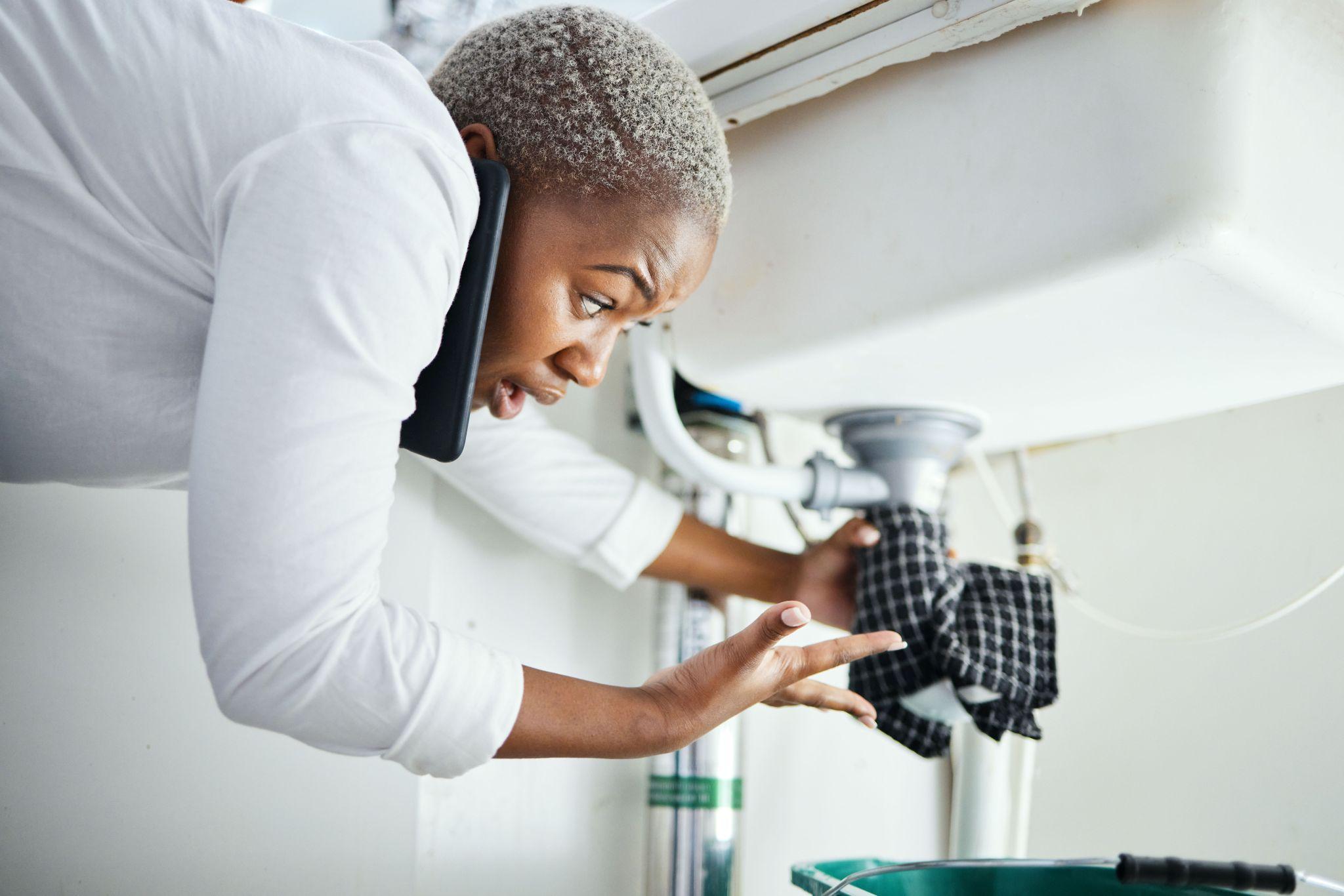
Plumbing disasters always happen at the worst possible times—right before guests arrive, on a holiday weekend, or at 2 AM when everything’s closed. One minute everything’s normal, the next there’s water everywhere and panic setting in, along with the sinking realization that this is going to cost a fortune. The thing is, how homeowners react in those first few critical minutes often determines whether this turns into a manageable problem or a complete disaster.
Most people’s first reaction when water starts gushing everywhere is to freak out and start frantically calling people. But there are specific things that need to happen in order, and doing them right can save thousands of dollars in damage and make the whole mess much less awful to deal with.
Stop the Water Right Now
The absolute first thing—before anything else—is stopping that water from flowing. This seems obvious, but so many people waste time trying to figure out what went wrong or hunting for phone numbers while water keeps pouring into their house. Every second that water keeps flowing is more damage and more money.
Toilet overflows are usually the easiest to handle. There’s a shut-off valve behind most toilets, down near the floor. Turn it clockwise until it stops completely. If the toilet keeps running and won’t stop, lift off that tank lid and lift the flapper thing or grab the chain to stop water getting into the bowl. Don’t worry about being careful with the parts—stopping the water matters way more than avoiding a small repair later.
Burst pipes are the scary ones because the main water shut-off for the whole house needs to be turned off. Most homeowners should know where this is but don’t, which is a problem when water’s shooting everywhere. It’s usually where the water line comes into the house—basement, crawl space, or sometimes near the street. In really bad situations where homeowners can’t find shutoffs or get them to work, calling services such as emergency plumber adelaide or a location nearer to you, makes sense because they can get there fast and know exactly what to do to stop the damage.
Sink leaks or appliance problems usually have individual shut-off valves under the sink or behind whatever’s leaking. These are typically small valves that turn clockwise to close. If these can’t be found quickly or they’re stuck, just go straight to the main house shutoff rather than wasting time hunting around.
Figure Out What’s Actually Happening
Once that water’s stopped, take a breath and look around to see what’s really going on before jumping into action. This quick assessment helps determine whether this can wait until normal hours or needs someone there immediately.
Check for electrical dangers first. Water and electricity together can kill people, and plumbing problems can create really dangerous situations if water gets to outlets, appliances, or electrical fixtures. If there’s any chance of electrical contact, go shut off power to those areas at the circuit breaker before doing anything else.
Take pictures of everything for insurance before starting cleanup. Insurance companies want documentation of damage, and it’s much easier to photograph everything before the emergency cleanup starts. Get shots of the water damage, any obvious plumbing issues, and how bad things look overall.
Try to figure out how big this problem actually is. Is it just one fixture acting up, or is water coming from multiple places? Are neighbors having the same problems, which might mean it’s a city water system issue? Understanding the scope helps decide whether this needs professional help right now or can be managed temporarily.
Damage Control While Figuring Out Next Steps
While waiting for help or deciding what to do next, focus on preventing more damage rather than trying to actually fix the plumbing problem. Most homeowners aren’t equipped to handle serious plumbing repairs anyway, but everyone can take steps to keep damage from getting worse.
Get valuables and furniture away from wet areas immediately. Water damage spreads fast through floors, baseboards, and into walls. Anything that can be moved should go to dry areas right away. Heavy furniture that can’t be moved easily should at least get aluminum foil or plastic under the legs to prevent more water soaking in.
Start getting rid of standing water as fast as possible using whatever’s handy—buckets, mops, towels, even cups if that’s what’s available. The longer water sits there, the more damage it does to floors, subfloors, and building materials. Get the bulk of the water out first, then worry about thorough cleanup later.
Open windows and doors if the weather’s decent to get air moving and start drying things out. Fans help if they can be used safely away from wet areas. The goal here is preventing mold, which can start growing within a day or two in wet conditions.
When Professional Help Can’t Wait
Some plumbing problems can wait until morning or regular business hours, but others need professional attention right now regardless of what time it is or what day. Learning the difference saves money and prevents unnecessary panic.
Sewage backups always need immediate professional help because of health risks. Raw sewage has bacteria and nasty contaminants that make DIY cleanup dangerous. Professional cleanup and disinfection are required to make areas safe to use again.
Burst pipes inside walls or ceilings need immediate attention because water damage spreads so quickly through building materials and can cause structural damage. What looks minor from the outside might be causing major damage behind walls where it’s not visible.
No hot water in the whole house during cold weather can mean water heater problems that need quick attention to prevent pipes from freezing. Frozen pipes burst and cause major damage, so this becomes more urgent than just an inconvenience.
Gas water heater problems that involve smelling gas require immediate professional attention and possibly calling the gas company too. Never try DIY repairs on gas appliances—the safety risks are way too high.
Getting Ready Before Problems Happen
The best time to prepare for plumbing emergencies is before they actually happen. Knowing where those shut-off valves are, keeping basic tools accessible, and having phone numbers for reliable plumbing services can make all the difference when things go wrong.
Regular maintenance catches problems before they turn into emergencies. Getting water heaters checked annually, cleaning drains periodically, and watching for small leaks can prevent a lot of plumbing disasters from developing.
Most plumbing emergencies are totally manageable if people stay calm and focus on damage control first rather than trying to fix everything immediately. The key is having a plan and not panicking when water starts going where it shouldn’t.
