


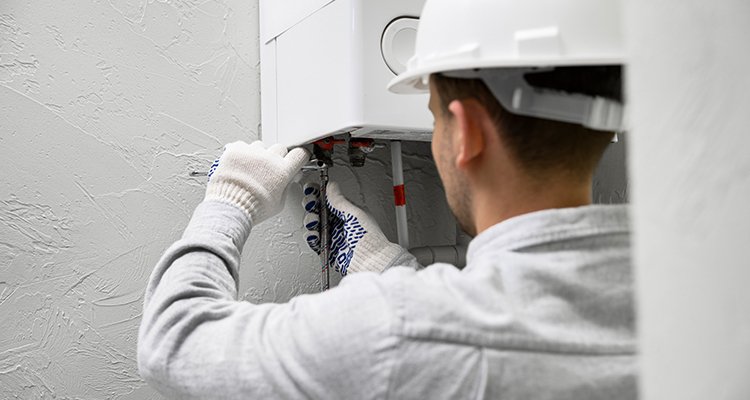
Replacing a water heater is easier to plan when the decision involves more than finding another unit with the same label. Household routines may have changed since the old system went in, and the replacement may need a different amount of space or a different installation setup.
Before approving a quote, work through the details that affect daily use, the scope of the job, and future maintenance. These common mistakes are worth avoiding.
Assuming the old size is still right
The existing water heater is a useful starting point, but it should not be the only basis for choosing a replacement. A household that has added a bathroom or gained another family member may use hot water differently than it did when the equipment was installed.
Think about the busiest part of the day. Do two people shower at once? Does laundry run while someone is washing dishes? Tell the installer when hot water runs short and whether that happens throughout the house or at a particular fixture.
For a storage water heater, ask about both tank capacity and recovery performance. For tankless equipment, discuss the fixtures that may run together. Choosing equipment around actual use is more helpful than automatically buying the same size again.
Choosing a technology before checking the home
Tank and tankless systems offer different ways to supply hot water. Neither should be selected solely because it is familiar or because a friend likes theirs.
A tankless unit heats water as it flows through the equipment, but its output still needs to match household demand. Incoming water temperature and simultaneous fixture use matter when the installer sizes it. A storage model needs enough capacity and recovery performance for the household’s routine.
Ask the installer to compare suitable options for the home’s existing fuel source, available space, and connections. If considering a different technology, request a clear explanation of what must change along with the appliance. That turns a broad preference into a practical comparison.
Comparing quotes by the equipment price alone
Two quotes can list similar water heaters yet cover different amounts of work. The lower equipment price does not necessarily describe the lower total project cost.
Request an itemized scope that identifies the model, installation labor, connection work, and removal of the old unit. Ask whether any changes to the surrounding area are included, and who handles the permit and inspection arrangements for the project.
Homeowners comparing water heater installation in San Diego can use that same checklist for each estimate. Comparing equivalent scopes makes it easier to understand what each provider is offering without relying on a headline price.
Also ask how additional work would be documented and approved. A clear estimate should help distinguish the agreed installation from optional upgrades or changes discovered after the old equipment is removed.
Forgetting the space around the equipment
A replacement needs to fit the installation area, but measuring the appliance itself is only part of the planning. The installer also needs to assess access, connection locations, and space for future service.
Before the appointment, share photos of the existing unit and its surroundings if the company requests them. Mention narrow doors, stairs, shelving, or other features that could affect getting equipment in and out. Avoid assuming a new model will fit just because its advertised capacity matches the old one.
Ask whether nearby storage needs to be moved and whether any finish work is part of the quote. Knowing this ahead of time helps keep installation day organized and makes responsibility for cleanup clear.
Overlooking operating costs and maintenance
The purchase price matters, but it is not the only number worth comparing. Where available, the EnergyGuide label provides an estimated annual operating cost that can help with comparisons between suitable models. It is an estimate, not a prediction of a particular household’s bill.
Ask the installer to explain the efficiency information for the specific models under consideration. Different household routines and energy prices can affect the value of an upgrade, so a generic savings promise is less useful than a comparison tied to the options in the quote.
Maintenance deserves the same attention. Request the manufacturer’s care guidance and ask how routine service would be arranged. Make sure the proposed location leaves access to the parts that need inspection or maintenance rather than squeezing the equipment behind permanent storage.
Leaving the handover until the last minute
A completed installation should come with more than a new appliance in place. Before the installer leaves, ask for a walkthrough of the controls and an explanation of the model’s normal operation.
Keep the invoice, model and serial numbers, warranty documents, and any project paperwork together. Ask who handles warranty registration, if registration is offered, and whom to contact for service. It is easier to settle those questions during the handover than to reconstruct the details later.
Check that the agreed removal and cleanup are complete, too. Confirming these small items closes out the job properly.
The best replacement plan starts with household needs, compares complete installation scopes, and leaves room for future care. Getting those decisions right helps the new water heater fit both the home and the people who use it.
